
02 – Round 2 and a new Ensemble
The summer of 1989 saw Duncan, Clodagh, Richard and Gavin completing their finals and leaving Bath so when Steve and Tush returned in the autumn of 1989 and discussion turned to another album it was clear some new members would be needed.
Steve and Tush remained as the core, Robin Pomeroy (who had actually been one of the reviewers of the first album) joined on bass and percussion. Jo Keizer joined on vocals and we filled in the gaps with whoever was available and interested. Our home was URB Studio 2 again during the winter nights of 1989. We were more practised in maximising the equipment but on reflection were perhaps a little less perfectionist in our approach.
Whether Freddie had been pushed too far or we bounced too many tracks I don’t know but a few more audio issues passed through, it may have just been the content and instrumentation of the second album being different which exposed more obvious wow and flutter on the tape and distortion from some of the microphones we were using. I do remember that the composition required more track bouncing to try and layer all the vocals and this probably added to the audio issues.
The loss of a real drummer led to the arrival of a drum machine which seemed to spend most of its time adding more 50Hz hum to the mix than anything else. The noise floor was in general a problem with a continuous battle with amps, effects, poor earthing and often unexpected external noise.
Primarily the approach was the same, core elements of the tracks recorded onto Freddie with final overlays and mixing through the TEAC and out to the Revox B77. Through a somewhat hazy memory I recall recording the second album being more like studio sessions with a purpose whereas the first album felt more like jamming sessions, that could be down to the more structured approach of the second album, a lesser element of true band as it was a new group, or it could just be memory loss. I certainly recall less of the time recording the second album (which is odd because we did more drinking during the first album!) but that may also have something to do with attempting to focus on my final year at the same time and actually having to do some work along with a thesis.
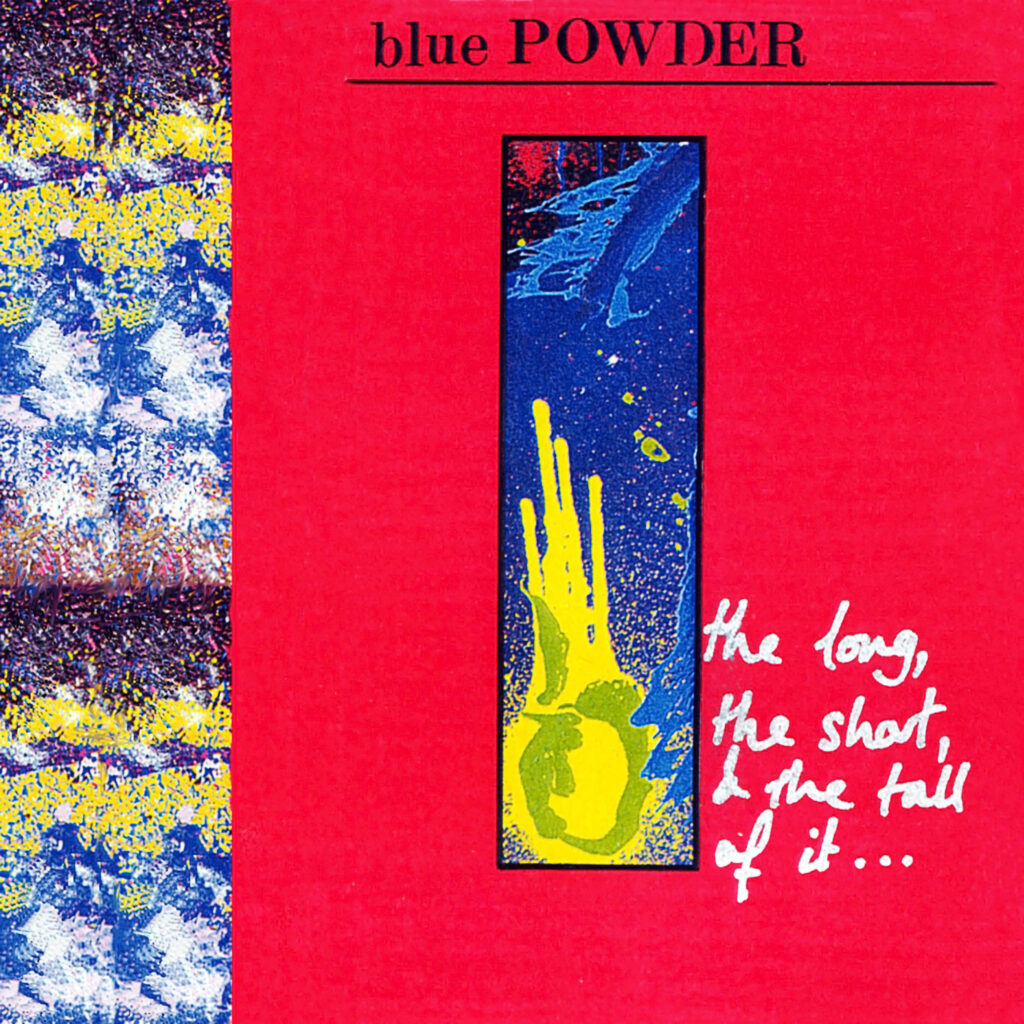
Nevertheless, The Long, the Short and the Tall of It appeared in the spring of 1990. It feels very different to Plastic Surgery, perhaps the first move towards more mature composition with less raw energy (and less prog rock) but still some silliness thrown in for good measure. A wider range of percussion is more prominent with fewer drums. It’s a shame the audio quality holds the album back as musically it is quite a rich collection.
In 2024 having remastered the original digital transfer from 1993 using some new tools it is amazing how much detail was captured on the original analogue tape, especially when we were not overdriving microphones and saturating the levels. If only there was an AI VST plugin for sorting out wow and flutter.
The new 2024 digital remastered version is available on Spotify and most other streaming platforms.